In My Spooky Teacher Era Retro SVG Review
As a designer who spends half my life digitizing files and the other half stitching them out, I have learned that not every cute graphic translates well to thread. When I first pulled up In My Spooky Teacher Era Retro SVG, I was looking for more than just a seasonal trend; I was looking for a design that could hold its own on actual fabric. This Halloween Retro Designs File is Perfect for Your Projects, but does it survive the reality of the embroidery hoop? After putting it through its paces on various textiles, I am ready to share how this asset performs in real-world craft business scenarios.
First Impressions: Mood and Layout
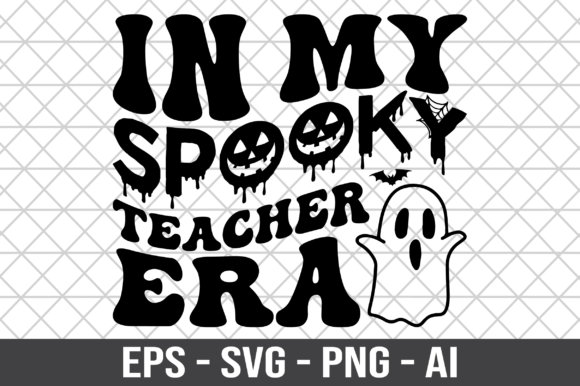
The immediate appeal of this design lies in its nostalgic typography and playful theme. It captures that specific "retro" vibe that has been dominating social media and boutique shops alike. The layout feels balanced, with a clear hierarchy between the text and any accompanying graphical elements. For an embroidery project, this balance is crucial. If the elements are too crowded, the stitches will merge into a blob. If they are too sparse, the design looks unfinished.
What stands out here is the clean vector structure. Since you get an Ai File, EPS File, SVG File, and Transparent PNG File, you have flexibility. However, for embroidery, the SVG is your best friend for importing into digitizing software or checking scale. The lines are crisp, which suggests that when converted to a machine embroidery design, the paths will be easy to follow. The mood is whimsical yet professional, making it suitable for both personal fun and commercial sales.
Real-World Application: From Screen to Stitch
I decided to test this design on a few different items to see where it truly shines. My primary test was a custom embroidered tote bag. Tote bags are a staple for Etsy sellers and small shop products because they are high-visibility items. The In My Spooky Teacher Era Retro SVG worked beautifully here. The retro font style had enough weight to stand out against the canvas texture without requiring excessive stitch density.
Next, I moved to apparel. I stitched it onto a mid-weight cotton sweatshirt. This is a popular choice for holiday embroidery gifts. The design retained its clarity even on the slightly fuzzy surface of the fleece. For teachers looking for personalized gift ideas or boutique owners creating seasonal collections, this design offers a high perceived value. It feels intentional and trendy, rather than like a generic clipart slap-on.
I also considered its use for smaller items like baby embroidery projects or caps. Here, caution is needed. While the design is resizable, shrinking it too much for a small hoop size might cause the finer details of the retro lettering to become illegible. For a cap, which has a curved surface, you would need to ensure the design width fits comfortably within the standard cap frame without distorting the text.
Technical Considerations for Embroiderers
Before you rush to sell this as a finished product, there are technical factors to address. Since this is a Graphics file provided in vector and raster formats, it is not a pre-digitized embroidery file. You will need to digitize it yourself or hire a digitizer. This is actually a benefit for experienced designers because it allows you to control the stitch type.
- Stitch Density: Retro fonts often look best with a combination of satin stitch for outlines and fill stitch for larger areas. Be careful not to make the fill too dense, especially if using thin fabric, as this can cause puckering.
- Thread Colors: The design’s impact relies heavily on contrast. I recommend testing it in black and white mockups first. On dark fabric, you will need bright, high-contrast thread colors to ensure the text reads clearly. On light fabric, darker threads will provide that sharp, professional look.
- Stabilizer Choice: For stretchy fabrics like t-shirts, a cut-away stabilizer is non-negotiable to prevent distortion. For woven fabrics like tea towels or aprons, a tear-away stabilizer usually suffices, but always test on scrap fabric first.
One critical note: inspect the small details. If the retro styling includes tiny decorative accents or serifs, ensure your needle size and thread weight can handle them. A 40wt thread is standard, but for very fine details, you might consider a 60wt thread to keep the definition sharp.
Commercial Viability and Brand Consistency
For craft business owners and Etsy sellers, the versatility of In My Spooky Teacher Era Retro SVG is a major asset. It fits seamlessly into the Crafts category, appealing to a wide demographic. Whether you are making patches, pillow covers, or kitchen towels, this design adds a touch of personality that buyers love. It enhances brand consistency if your shop focuses on quirky, seasonal, or teacher-themed items.
However, always confirm licensing before selling finished items or digital products. While the download includes multiple formats for your convenience, understanding the commercial rights is essential for protecting your business. Use this design to create unique handmade products that stand out in a crowded market. The retro aesthetic is currently high-demand, meaning this design can drive buyer engagement if presented well in your printable mockup or product photos.
Final Verdict
In my evaluation, In My Spooky Teacher Era Retro SVG is a strong contender for your autumn design library. It is not just a cute graphic; it is a functional asset that, when properly digitized and stitched, results in a high-quality finished product. It requires some technical know-how to convert from a vector graphic to a machine-ready file, but the payoff is worth it. You get full control over the stitch count, direction, and underlay, ensuring the final embroidery matches your vision.
Remember to check the specific file compatibility with your software. You will get – 1 Ai File. – 1 EPS File. – 1 SVG File. – 1 Transparent PNG File. Use these to your advantage. Resize it carefully, respect the fabric limitations, and you will have a standout item for your next craft fair or online listing. This design proves that with the right approach, digital assets can translate into tangible, profitable handmade goods.