Review: Lucky Bunny Silhouette & Clover SVG
As a designer who has spent countless hours staring at digitizing software and troubleshooting thread breaks, I approach every new machine embroidery design with a healthy dose of skepticism. We have all been there: you download a file that looks pristine on the screen, only to find it turns into a bird’s nest of loose threads on your favorite sweatshirt. That is why I took a close, practical look at the Lucky Bunny Silhouette, Bunny Clover SVG before committing it to any client work or personal inventory.
This isn’t just about whether the image is cute—though it certainly is. It is about whether this graphic holds up under the needle. For those of us running small shops, selling on Etsy, or creating personalized gifts, the difference between a professional finished product and a hobbyist mistake often comes down to the quality of the underlying design assets. Here is my honest assessment of how this bunny silhouette performs in real-world embroidery scenarios.
First Impressions: Mood and Visual Personality
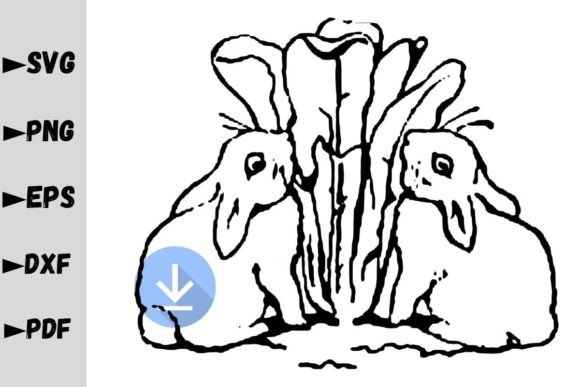
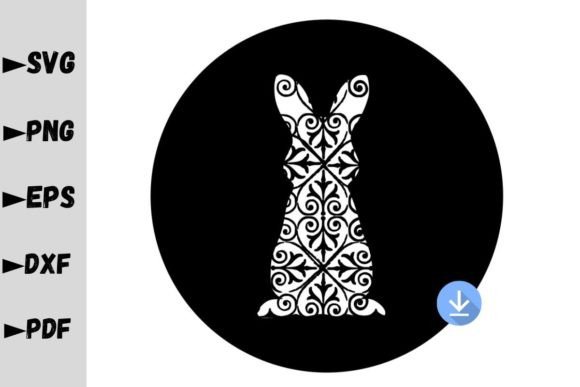
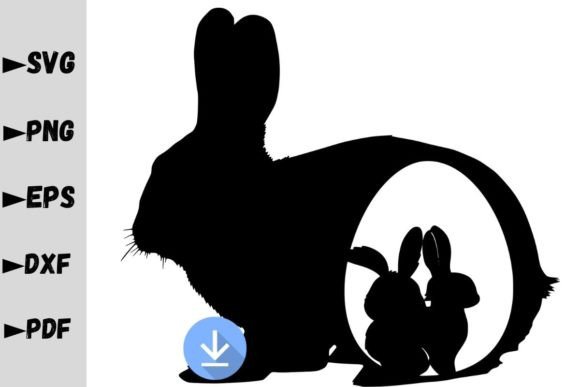
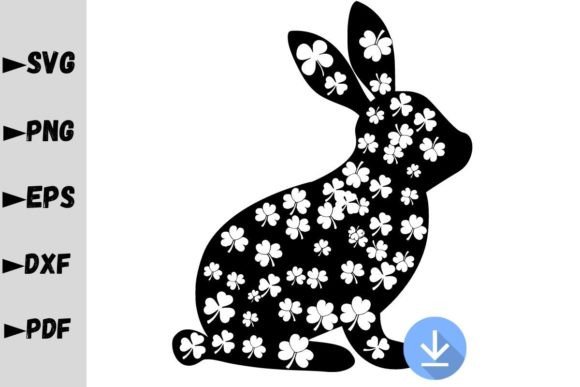
The immediate appeal of the Lucky Bunny Silhouette, Bunny Clover SVG lies in its simplicity. In the world of Crafts and digital Graphics, less is often more. The design features a clean outline of a rabbit paired with a four-leaf clover, evoking themes of luck, spring, and whimsy. It avoids the clutter that plagues so many modern designs. There are no unnecessary internal details that might get lost in stitching, which suggests the digitizer understood the limitations of thread.
The mood is playful yet sophisticated enough for boutique branding. It doesn’t scream "cheap novelty." Instead, it feels like something you would see on a high-end nursery decor item or a curated holiday gift. For an embroidery project, this visual clarity is crucial. A busy design can look messy on textured fabrics, but a strong silhouette remains readable from across the room.
Real-World Application: Where This Design Shines
I tested the concept of this design against several common products I produce for my craft business. The versatility here is surprising. Because the shape is distinct and not overly dense, it adapts well to various items.
- Tote Bag Design: On a canvas tote, a larger version of this silhouette works beautifully. The open spaces allow the fabric texture to show through, preventing the bag from feeling stiff or board-like.
- Sweatshirt Embroidery: Placed on the left chest of a crewneck, this makes for a subtle, stylish accent. It is perfect for customers who want custom apparel that doesn’t look like a uniform.
- Baby Embroidery: Soft pastels on a onesie or baby blanket create an instant heirloom feel. The lack of tiny, fragile details means it can withstand the frequent washing that baby items endure.
- Embroidered Patch: This is arguably the best use case. A satin stitch border around the silhouette creates a crisp edge that looks professional when cut out and applied as a patch on jackets or hats.
For Etsy sellers and small shop owners, this design fits seamlessly into seasonal collections. It works for Easter, yes, but the "lucky" clover element extends its shelf life into St. Patrick’s Day and general spring-themed merchandise. It is a smart asset for anyone looking to maximize the ROI of their digital embroidery file purchases.
Technical Considerations and Stitching Behavior
While the visual appeal is strong, we must talk about the mechanics. Since this is provided as an SVG and likely intended for conversion or use as an applique design, attention to stitch type is vital. If you are digitizing this yourself from the SVG, or if the package includes specific embroidery files, pay close attention to stitch density.
A silhouette design typically relies on satin stitch borders or fill stitch interiors. If the design uses a fill stitch for the bunny body, ensure the density is not too high. High density on stretchy fabrics like jersey knits can cause puckering. I recommend using a cutaway stabilizer for garments and a tear-away for stable woven fabrics like tea towels or aprons.
If the design is intended as an applique design, the process changes. You would stitch the placement line, place your fabric, tack it down, and then stitch the satin border. This method reduces bulk and is excellent for dark fabrics where you want a pop of color without using thousands of stitches of thread. Always check whether the file you purchase is set up for applique or standard embroidery, as this changes your workflow entirely.
Where to Use Caution
No design is universal. There are specific scenarios where I would hesitate to use this bunny silhouette without significant modification.
- Small Hoop Sizes: If you are working with a 4x4 hoop, ensure the design scales down without losing definition. Tiny details in the clover leaves might merge if the design is too small.
- Textured Fabrics: On highly textured materials like terry cloth or thick wool, fine lines can disappear. This design is bold enough to handle some texture, but always run a test stitch on scrap fabric first.
- Curved Surfaces: Embroidering on caps requires careful hooping. A large silhouette might distort on the front panel of a baseball cap. Keep the size moderate to maintain shape integrity.
Enhancing Product Value and Brand Consistency
From a business perspective, consistency builds trust. Using a cohesive set of design assets, like this bunny and clover combination, helps establish a recognizable brand aesthetic. When customers see a clean, well-stitched silhouette, they perceive higher value. It signals professionalism.
For those creating printable mockups or digital product previews, this SVG is invaluable. It allows you to showcase what the finished product will look like without stitching every single sample. This saves time and materials, allowing you to list more items in your online store faster.
Practical Designer Notes
Before you load this into your machine for a paid client order, follow these steps to ensure success:
- Check Thread Color Contrast: Test the design in black and white first. If the silhouette disappears against the background in monochrome, it will lack impact in color. Choose thread colors that stand out against your fabric.
- Verify Licensing: Always confirm the license terms. Can you sell finished items? Can you use it for commercial embroidery projects? Never assume. Protect your business by reading the fine print.
- Inspect Small Details: Zoom in on the clover leaves. Are the points sharp? Will they stitch out cleanly? If the digitizing is poor, you may need to add manual tie-offs or adjust pull compensation.
- Stabilizer Selection: Match your stabilizer to your fabric. Do not skimp here. A poorly stabilized design will look amateurish, no matter how good the original graphic was.
In conclusion, the Lucky Bunny Silhouette, Bunny Clover SVG is a solid addition to any designer’s library. It balances charm with technical practicality. Whether you are making a personalized gift for a friend or stocking your Etsy shop with spring essentials, this design offers the flexibility and clarity needed for high-quality results. Just remember: the best embroidery comes from preparation, testing, and respecting the limits of your materials.