Review: Our House is Lived in It’s Not for Show
As a designer who has spent countless hours digitizing and stitching out embroidery files, I have learned that the best designs are not always the most complex. Sometimes, the charm lies in the attitude. When I first pulled up Our House is Lived in It’s Not for Show, I was immediately struck by its relaxed, authentic vibe. This is not a stiff, formal piece of art; it is a declaration of comfort. For those of us in the Crafts industry, specifically those dealing in Graphics for physical production, finding a design that balances humor with aesthetic appeal is rare. This review breaks down how this specific asset performs when moved from the screen to the needle.
First Impressions and Visual Personality
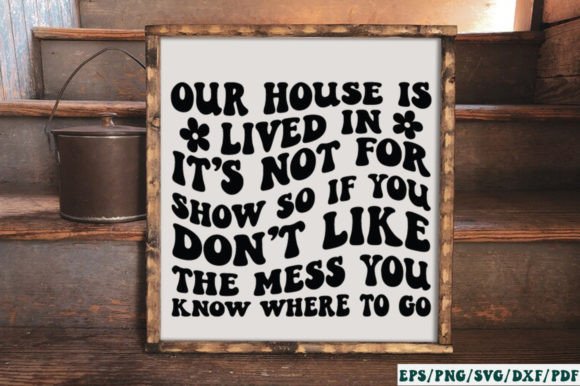
The layout of this design speaks directly to the modern farmhouse trend, but with a twist. It avoids the overly polished, magazine-ready look that can feel unattainable for many customers. Instead, it embraces a "retro funny" aesthetic that feels warm and inviting. The typography likely plays a significant role here, mixing bold statements with a casual flow. When evaluating a machine embroidery design or a cut file for conversion, I look for clear lines and balanced negative space. This design appears to offer both, making it versatile for various applications.
The mood it creates is one of relief. In a world of curated perfection, this design says it is okay to have clutter, kids, pets, and life happening. For an Etsy seller or small shop product creator, this emotional connection is vital. Customers are not just buying a pattern; they are buying into a lifestyle that values authenticity over appearance. This makes it an excellent candidate for design assets intended for home decor or personal apparel.
Real-World Application: The Tote Bag Test
To truly understand the value of Our House is Lived in It’s Not for Show, I imagined a specific project: a custom canvas tote bag for a local farmer’s market vendor. Canvas is a sturdy fabric, but it has a distinct texture. If you were using this as an applique design, the retro elements would pop beautifully against the neutral background. However, if you are stitching it directly, you must consider the stitch density.
In this scenario, the design would serve as a statement piece on the front of the bag. The humorous text acts as a conversation starter. I visualized using a contrasting thread colors scheme—perhaps a deep navy or forest green on natural canvas. The result would be a handmade product that feels durable and stylish. It is not just a bag; it is a piece of custom apparel for the home. This kind of practical application is where this design shines. It transforms a simple utility item into a personalized accessory that reflects the owner’s personality.
Versatility Across Product Lines
Beyond tote bags, this design has significant potential in commercial embroidery. Consider sweatshirt embroidery. A crewneck sweatshirt with this phrase stitched across the chest or on the back offers a cozy, relatable look. It works well for holiday embroidery gifts, particularly for housewarmings or family gatherings where the chaos of living is celebrated. The retro style fits seamlessly with current fashion trends that favor nostalgia and comfort.
For those creating baby embroidery items, such as bibs or onesies, the message takes on a new meaning. It reassures new parents that their messy, loud, loving home is exactly as it should be. However, scale is crucial here. You must ensure the text remains legible when resized for smaller garments. Similarly, for embroidered patch creation, the design needs to be simplified enough to hold its shape without excessive underlay or complex fills that might bunch up on small hoops.
If you are a digital embroidery file seller, this asset could be part of a bundle focused on home life. It pairs well with other rustic or humorous motifs. For printable mockup creators, the clean lines of the SVG allow for easy manipulation in design software, enabling you to showcase the design on various products like pillow covers, tea towels, or aprons before committing to production.
Technical Considerations and Stitching Advice
While the design is charming, technical execution is key. Since the download includes SVG, DXF, PNG, EPS, and PDF formats, you have flexibility. However, note that SVG files are primarily vector graphics used for cutting machines like Cricut or Silhouette. To use this for embroidery, you will need to digitize it or convert it into a stitch file compatible with your machine. This is a critical step. Do not assume the SVG will translate perfectly to stitches without adjustment.
When preparing this for embroidery, pay close attention to hoop size. If the design is wide, ensure your hoop can accommodate it without distorting the fabric. For curved surfaces like caps, you may need to split the design or adjust the pull compensation to prevent puckering. On textured fabrics, a higher stitch density might be needed to cover the weave, but be cautious of making the area too stiff.
Always test the design on scrap fabric first. Check how the running stitch outlines hold up against the fill stitch areas. If the design includes fine details, ensure they are not too small for the needle to catch properly. Use a proper stabilizer—cut-away for stretchy fabrics like sweatshirts, and tear-away for stable wovens like cotton towels. Testing in black and white mockups can also help you visualize contrast issues before you thread up the machine.
Commercial Viability and Brand Consistency
For craft business owners, consistency is everything. Using a design like Our House is Lived in It’s Not for Show helps build a brand identity centered on warmth and realism. It appeals to buyers who are tired of pristine, impersonal decor. When listing this as a personalized gift option, emphasize the relatability of the message. It builds trust because it feels honest.
However, always verify licensing terms. While the file formats suggest versatility for cutting and printing, commercial use rights for embroidery may vary. Confirm whether you can sell finished items made with this design or if it is for personal use only. This due diligence protects your small shop product line from legal issues. If the license allows, this design can be a staple in your inventory, offering high perceived value with relatively low production complexity.
Final Thoughts for Designers and Makers
In the end, Our House is Lived in It’s Not for Show is more than just a cute phrase. It is a strategic design choice for makers who want to connect with their audience on a human level. Whether you are creating a tote bag design for a local market or a finished product for an online store, this asset offers the right blend of humor and style. Just remember to respect the technical limits of your machine and fabric. With careful preparation and a keen eye for detail, this design can elevate your embroidery project from simple stitching to meaningful storytelling.