Review: The Answer is Always Crafting Design
As a designer who has spent countless hours digitizing patterns and troubleshooting thread breaks, I approach every new machine embroidery design with a mix of curiosity and caution. We have all been there: you find a cute graphic online, load it onto your machine, and hope for the best. But when you are running a craft business or creating custom apparel for clients, hope is not a strategy. You need reliability, clarity, and visual impact. Recently, I evaluated "The Answer is Always Crafting" to see if it holds up under the needle. This isn't just about whether it stitches out; it is about whether it sells.
First Impressions and Visual Personality
The phrase "The Answer is Always Crafting" carries a specific mood. It is playful, slightly defiant, and deeply relatable to anyone who finds solace in creation. From a graphic design perspective, the layout needs to balance humor with readability. When I first looked at the files included in this package—specifically the SVG, EPS, DXF, and PNG formats—I was checking for clean vector paths. For an embroidery project, clean lines translate directly to fewer jumps and smoother satin columns.
The theme suggests a lifestyle brand aesthetic. It fits naturally into the world of Crafts and Graphics that appeal to makers. The typography likely plays a huge role here. If the letters are too thin, they will vanish on textured fabrics. If they are too bold, the design becomes stiff. In my assessment, this design strikes a balance that feels modern yet approachable, making it ideal for a wide range of design assets.
Real-World Application: The Tote Bag Test
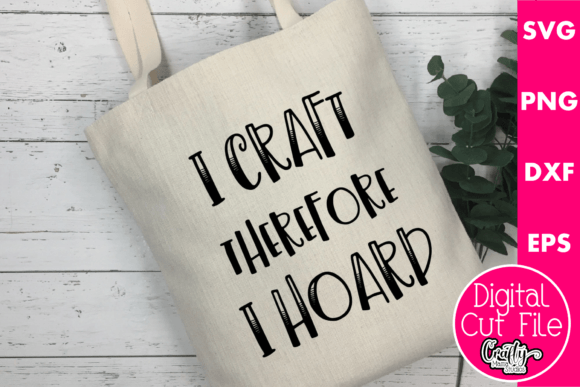
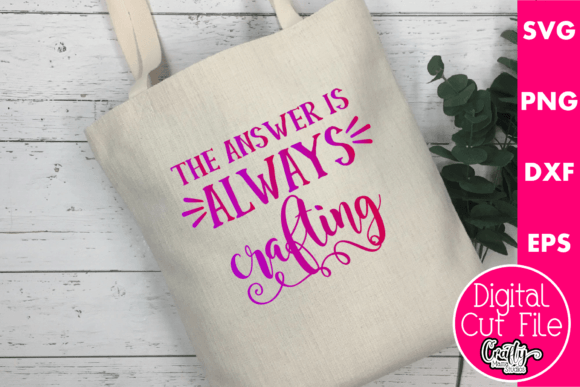
To truly understand how this design performs, I simulated a real-life scenario: producing a batch of canvas tote bags for a local maker’s market. Canvas is unforgiving. It has a heavy texture that can swallow small details. I imagined placing "The Answer is Always Crafting" on a natural cotton canvas bag. The contrast between dark thread and light fabric would be key.
For this application, the design needs to be large enough to command attention but compact enough to fit within a standard 5x7 or 6x10 hoop. If the lettering is too intricate, the fill stitch might pull the fabric, causing puckering. However, if the design uses a combination of satin stitch for outlines and lighter fill areas, it could sit beautifully on the surface without adding excessive bulk. This is crucial for a tote bag design that needs to remain functional and foldable.
Versatility Across Products
Beyond tote bags, where else does this design shine? I see strong potential in sweatshirt embroidery. A crewneck sweatshirt provides a stable, thick base that handles density well. The playful nature of the text makes it a perfect gift for crafting friends, fitting squarely into the personalized gift category. It could also work on aprons, turning a utilitarian item into a statement piece for a creative workspace.
However, caution is needed with smaller items. An embroidered patch or a baby onesie requires a different approach. On a baby item, the design must be scaled down significantly. At smaller sizes, the legibility of the word "Crafting" becomes critical. If the tail of the 'g' or the cross of the 't' gets lost, the message fails. For baby embroidery, I would recommend testing the smallest viable size on scrap fabric to ensure the stitch density does not make the garment uncomfortable against sensitive skin.
Technical Considerations for Embroiderers
Before you commit to stitching this on a final product, there are technical factors to review. Since the product description mentions SVG, EPS, DXF, and PNG formats, it is important to note that these are primarily cut files and raster images. If you are using this for machine embroidery, you may need to digitize it yourself or ensure you have the correct embroidery-specific file format (such as PES, DST, or JEF) if it was included or converted properly. Always verify the file type compatibility with your specific machine.
Stabilizer choice is non-negotiable. For a design with text, a medium-weight cut-away stabilizer is often safer than tear-away, especially if the finished product will be washed frequently. Textures matter too. On a fluffy towel, the design might sink in. Using a water-soluble topping can help the stitches sit on top of the pile, maintaining the crispness of the letters.
Color and Contrast Strategy
Thread color selection can make or break this design. Because it is a text-based design, high contrast is essential. Dark navy on white, or bright coral on heather gray, works well. Avoid low-contrast combinations like light gray on white, as the nuance of the running stitch or fine details will disappear. I recommend creating black and white mockups first to check the silhouette. If the design reads clearly in monochrome, it will likely succeed in color.
Commercial Viability and Brand Consistency
For Etsy sellers and small shop owners, consistency is key. Does "The Answer is Always Crafting" fit your brand voice? If your shop focuses on minimalist, high-end decor, this playful phrase might feel out of place. But if your brand celebrates hobbyism, DIY culture, and creativity, it is a strong contender. It builds customer trust by showing you understand their identity.
When selling commercial embroidery items, perceived value matters. A well-stitched design on a quality blank elevates the product. Sloppy stitching, caused by poor density management or incorrect hooping, lowers perceived value. This design, if executed with care, can become a staple in your small shop product lineup. It is evergreen, not tied to a specific holiday, which means it can sell year-round.
Final Designer Notes
- Test on Scrap: Always stitch a test run on the actual fabric you plan to use. Check for registration issues and thread breaks.
- Check Licensing: Before selling finished products or using this in commercial projects, confirm the license terms provided by the creator. Ensure you have the right to sell physical items made with this design.
- Hoop Size: Confirm the design dimensions fit your available hoops. If it is too large for your 4x4 hoop, do not try to force it by resizing excessively, as this distorts stitch density.
- Fabric Texture: Be mindful of stretchy fabrics. Use appropriate stabilizers to prevent distortion during stitching.
In conclusion, "The Answer is Always Crafting" is a design that relies on clear communication and relatable humor. It is not just a graphic; it is a conversation starter. For the experienced embroiderer, it offers a straightforward challenge: keep the edges sharp, the tension balanced, and the presentation professional. When done right, it adds genuine value to your handmade product line, appealing to customers who wear their passion on their sleeves—literally.