Reviewing the In My Nana Era Png Sublimation Design
As a designer who spends half my life staring at digitized files and the other half watching needles punch through fabric, I have learned to look past the flashy thumbnails. We are constantly bombarded with new design assets, but few actually translate well from screen to stitch. Recently, I took a close look at the In My Nana Era Png Sublimation file. While marketed primarily for sublimation on items like mugs and t-shirts, my interest was piqued by its potential as a reference for a custom embroidery project. The retro, groovy aesthetic is trending heavily right now, and I wanted to see if this specific graphic could hold up in a handmade product context.
First Impressions and Visual Personality
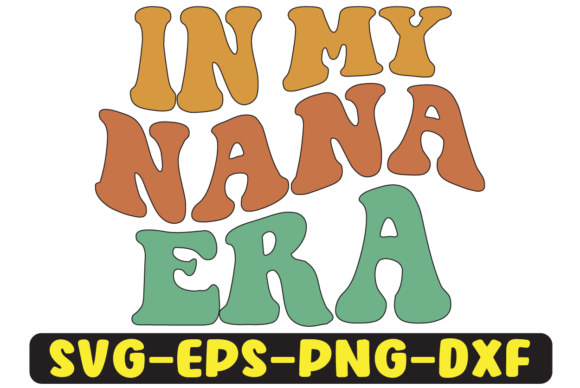
The immediate mood of this design is warm, nostalgic, and playful. It captures that specific "groovy retro" vibe that resonates deeply with current market trends for personalized gifts. The layout features bold, rounded typography that suggests comfort and fun. For an embroidery designer, the shape language is crucial. Thick, rounded letters are generally more forgiving than thin, serif fonts when converting to stitch data. This design’s visual personality feels right at home on casual wear, making it a strong candidate for custom apparel rather than formal wear.
When evaluating Graphics in the Crafts category, I always look for balance. Does the design feel top-heavy? Is there enough negative space? This particular composition offers a solid central focus, which is ideal for placement on the chest of a sweatshirt or the center of a tote bag. It does not scream for attention with overly complex details, which is a good sign for durability and stitch clarity.
Real-World Application: The Sweatshirt Test
To truly evaluate the utility of this asset, I imagined a real-life scenario. A client approaches me for a boutique line of grandmother-themed apparel. They want something modern, not the typical floral heart clichés. The In My Nana Era Png Sublimation design fits this brief perfectly. I envisioned stitching this onto a high-quality, heavyweight cotton blend sweatshirt.
In this context, the design would likely require a combination of satin stitch for the borders of the letters to give them definition and a fill stitch for the interior to provide coverage and texture. The retro curves would benefit from a slight underlay to prevent puckering on the stretchy fabric. If I were creating a tote bag design instead, the approach would shift. Canvas is stable, allowing for denser stitching without the risk of distortion. Here, the design could serve as a focal point, perhaps paired with a small embroidered flower or star to enhance the groovy theme.
Considerations for Small Hoops and Caps
Not every project allows for a large canvas. If you are considering this for a embroidered patch or a cap, caution is necessary. The text legibility is key. On a curved surface like a baseball cap, wide designs can distort. You might need to adjust the aspect ratio slightly or reduce the overall size to fit a standard 4x4 hoop. However, shrinking the design too much risks merging the letters, especially if the original PNG resolution is not infinitely scalable. Always check the source file quality before committing to a small hoop size.
Fabric and Thread Interactions
The success of any machine embroidery design depends heavily on the interaction between thread and fabric. For this retro style, I recommend using matte rayon or polyester threads in vibrant, contrasting colors. Think mustard yellow, burnt orange, or teal against a cream or navy background. The thread colors should pop but remain harmonious with the vintage aesthetic.
Fabric texture plays a massive role here. On a smooth jersey knit, the stitches will lie flat and crisp. On a textured waffle knit or terry cloth towel, the finer details might get lost. If you are planning baby embroidery on a onesie, ensure the backing is soft and the stitch density is not too high, as stiff patches can irritate sensitive skin. Using a cut-away stabilizer is essential for stretchy garments to maintain the shape of the letters after washing.
Challenges with Dark and Stretchy Materials
Working with dark fabrics requires careful planning. If the design includes light-colored elements, you may need a white underlay or even an applique base to prevent the dark fabric from showing through the stitches. For stretchy fabrics like those used in tank tops or leggings, a running stitch outline might not be sufficient to hold the shape. A dense satin border is often better to anchor the design. Always test on scrap fabric first. This simple step saves hours of frustration and prevents ruined finished product inventory.
Commercial Viability and Brand Consistency
For Etsy sellers and small shop owners, consistency is brand currency. This design offers a cohesive look that can be adapted across various products. Imagine offering a matching set: a sweatshirt for the grandma, a onesie for the grandchild, and a tote bag for diaper duty. The visual recognition helps build customer trust. When buyers see a professional, well-executed design, they perceive higher value.
However, commercial use requires diligence. Since this is sold as a printable png Sublimation Design, you must verify the licensing terms before using it for commercial embroidery. Some creators allow finished physical sales but prohibit the sale of the digital embroidery file itself. Others may require an extended license for high-volume production. Never assume. Read the terms carefully to protect your craft business.
Practical Designer Notes for Execution
Before you load this into your machine, consider these practical steps:
- Digitize with Care: If you are converting the PNG yourself, pay attention to corner sharpness. Retro fonts often have soft edges, but stitches need clear paths. Use auto-digitizing software cautiously; manual editing usually yields better results for text.
- Check Stitch Density: High density can cause puckering, especially on thinner fabrics like long sleeve tees. Aim for a balanced density that covers the fabric without creating a stiff cardboard effect.
- Mockup Testing: Create black and white mockups to check contrast. If the design disappears in grayscale, it may lack sufficient contrast in real life too.
- Wash Testing: Products like holiday embroidery gifts or daily-use mugs and towels undergo frequent washing. Ensure your thread choice is colorfast and your stabilizer is appropriate for the garment's care instructions.
The In My Nana Era Png Sublimation design holds promise for creative entrepreneurs willing to put in the technical work. It is not just a pretty picture; it is a foundation for a tangible, high-quality small shop product. By respecting the limitations of the medium and understanding the nuances of fabric and thread, you can transform this digital graphic into a cherished heirloom. Whether for a wedding gift, a birthday surprise, or a boutique launch, the key lies in the execution. Treat the design with respect, test thoroughly, and let the retro charm shine through your craftsmanship.