Shake Your Flakes SVG: A Designer’s Embroidery Review
As a designer who has spent countless hours digitizing and testing files for real-world application, I approach every new machine embroidery design with a healthy dose of skepticism. We have all been there: downloading a file that looks crisp on the screen but turns into a tangled mess of thread breaks and puckering once it hits the fabric. That is why I took a close look at the Shake Your Flakes SVG Cut File. While this product is marketed primarily within the Crafts and Graphics categories as a digital cut file, its potential in the embroidery world is worth exploring for those who understand how to bridge the gap between vector graphics and stitched art.
First Impressions and Visual Personality
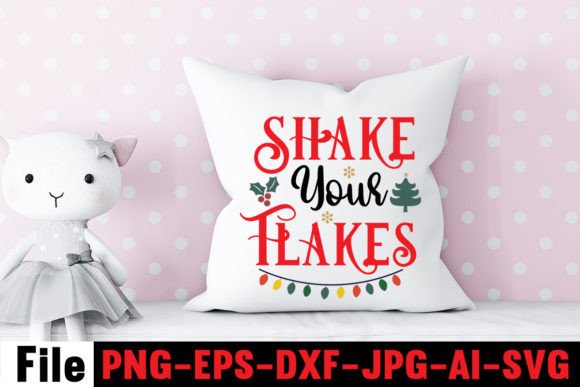
The first thing that strikes you about the Shake Your Flakes SVG Cut File is its playful, seasonal energy. The layout suggests a winter or holiday theme, likely featuring snowflakes or festive typography that implies movement and joy. For an embroidery designer, the "mood" of a design dictates its placement. This isn’t a subtle, minimalist accent; it is a statement piece. The shapes appear bold enough to hold their own against textured fabrics, which is crucial when you are moving from a flat digital preview to a three-dimensional finished product.
When I visualize this design on a project, I immediately think of cozy, high-contrast applications. The visual personality is friendly and inviting, making it an excellent candidate for items meant to evoke warmth and nostalgia. However, because this is provided as an SVG, EPS, and PNG, we are starting with vector lines rather than a pre-digitized stitch file. This means the responsibility for translating these clean lines into a functional embroidery file lies with the user or their digitizer. This is both a challenge and an opportunity for customization.
Real-World Application: The Holiday Tote Scenario
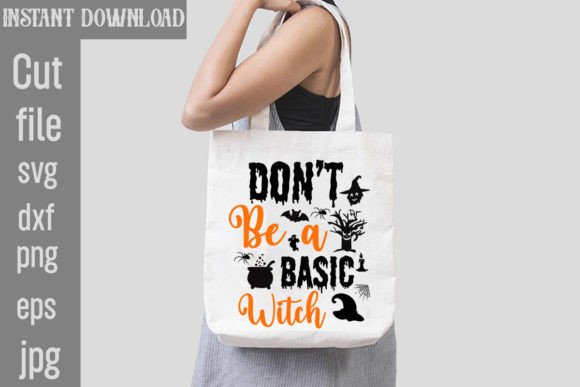
To truly evaluate the utility of this asset, let’s walk through a realistic scenario. Imagine you are preparing a batch of custom canvas tote bags for a local holiday market. You want a design that screams "gift-ready" without being overly complex to produce. Here is where the Shake Your Flakes SVG Cut File shines if used correctly.
You could use the included SVG to create a precise template for an applique design. By cutting felt or fleece using the vector paths, you eliminate the need for dense fill stitches that can stiffen the fabric. Instead, you use a simple running stitch or zigzag to secure the edges. This approach keeps the tote bag design lightweight and flexible. Alternatively, if you are digitizing the design from scratch using the EPS file, you might opt for a combination of satin stitch borders and light fill stitch centers. The key is maintaining the integrity of the original graphic while respecting the limitations of the needle and thread.
For Etsy sellers and small shop product creators, this versatility is gold. You aren’t locked into one method. You can offer personalized versions by integrating names into the negative space of the flakes, creating a unique personalized gift that stands out in a crowded marketplace. The 300 DPI PNG included in the download is also invaluable for creating printable mockup images for your online listings, allowing customers to see how the design might look on a sweatshirt or pillow before they buy.
Navigating Technical Challenges
While the aesthetic appeal is strong, we must address the technical realities of stitching such a design. Since the Shake Your Flakes SVG Cut File is a graphic asset, you must be mindful of stitch density. If you convert intricate snowflake details directly into satin columns without proper underlay, you risk thread breaks, especially on smaller hoop sizes. Tiny corners and sharp points in vector graphics often translate poorly to embroidery if not smoothed out during the digitizing process.
Consider the fabric choice. On a thick, textured wool blend for a sweatshirt embroidery project, fine details may get lost. In this case, simplifying the design elements from the SVG would be wise. Conversely, on smooth cotton for a baby embroidery item like a onesie, you must ensure the stabilizer is robust enough to prevent puckering, as holiday designs often cover a larger surface area. Always test the design on scrap fabric first. Check how the thread colors interact with the background. A white-on-white snowflake design might look elegant in a vector preview but vanish completely once stitched unless you use a contrasting backing or a slight shadow effect.
Be cautious with curved surfaces like caps. The rigidity of a dense embroidered flake can cause the front panel of a hat to warp. For embroidered patch creation, however, this design could work beautifully if stabilized properly on a tear-away or cut-away backing, allowing you to apply it later to various garments.
Commercial Value and Brand Consistency
For creative entrepreneurs and craft business owners, the value of a design like this extends beyond the stitch count. It is about brand consistency and customer trust. Using high-quality, well-thought-out graphics as the basis for your embroidery projects signals professionalism. When a customer receives a custom apparel item with clean, balanced stitching derived from a solid vector source, it enhances the perceived value of the handmade product.
The inclusion of fully editable EPS files means you can tweak the proportions to fit specific hoop size constraints without losing resolution. This is critical for commercial embroidery where efficiency and standardization matter. Whether you are producing holiday embroidery for corporate gifts or creating niche design assets for other makers, having control over the vector source allows for greater creative freedom.
Practical Notes for the Embroiderer
Before you rush to stitch, keep these practical tips in mind:
- Verify Licensing: Although this is a digital download, always confirm the license terms for commercial use. Ensure you are allowed to sell finished items made with designs derived from these graphics.
- Test Stitch Density: If digitizing from the SVG, start with a lower density to prevent fabric distortion, especially on stretchy materials.
- Contrast is Key: Use the PNG to test color combinations. High contrast ensures the design remains visible and impactful.
- Stabilizer Selection: Match your stabilizer to your fabric. Heavy cut-away for knits, tear-away for wovens.
- Mockup Testing: Use the 300 DPI PNG to create realistic previews for your Etsy seller storefront or social media marketing.
In conclusion, the Shake Your Flakes SVG Cut File is a versatile tool for the modern maker. It bridges the gap between digital graphics and tactile embroidery, offering a foundation for creative, high-quality projects. Whether you are crafting a personalized gift for a loved one or building inventory for your small shop product line, this design invites you to experiment, refine, and create something truly special. Just remember: the magic lies not just in the download, but in how you translate those vectors into threads.