The Forge Is Strong With This One: A Designer’s Review
As an embroidery designer who has spent countless hours digitizing, testing, and stitching out designs for clients, I have developed a keen eye for what works in thread versus what only works on a screen. When I first encountered The Forge is Strong with This One Funny, my initial reaction was one of amusement mixed with professional curiosity. The phrase plays on a popular cultural reference, twisting it into a niche-specific joke for blacksmiths and metalworkers. But humor alone does not make a successful machine embroidery design. The real question is whether the visual execution holds up under the needle.
This review evaluates the design from the perspective of practical application. I am not just looking at the graphic; I am imagining how it translates into a finished product that a customer will wear, wash, and cherish. For Etsy sellers, craft business owners, and hobbyists, understanding the nuance between a cute SVG and a stitch-ready asset is crucial for maintaining brand consistency and customer trust.
First Impressions and Visual Personality
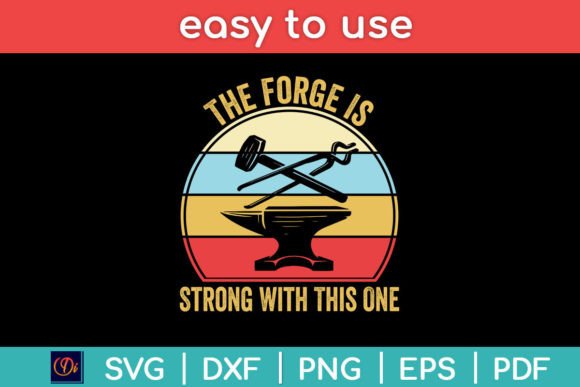
The mood of The Forge is Strong with This One Funny is rugged yet playful. It appeals to a specific demographic: the modern blacksmith, the welding enthusiast, or the partner of someone who spends their days covered in soot and sparks. The layout typically balances bold typography with thematic iconography, such as anvils, hammers, or flames. In the context of Graphics within the Crafts category, this design stands out because it avoids the overly ornate styles that often plague niche hobby designs. Instead, it leans into clean lines and strong shapes.
For an embroidery project, this visual personality is a strength. Clean shapes translate better to thread than intricate, photo-realistic details. When I look at this design, I see potential for high-contrast thread colors. Imagine bright orange or yellow flames against a deep charcoal or black fabric. The contrast creates immediate visual appeal, ensuring the design is readable from a distance. This is essential for items like tote bag design projects or large back prints on jackets where clarity is key.
Real-World Application: The Custom Sweatshirt Test
To truly evaluate The Forge is Strong with This One Funny, I mentally placed it on a heavy-weight cotton sweatshirt. This is a common request for custom apparel shops. The thick fabric provides a stable base for stitching, allowing the design to sit flat without puckering. In this scenario, the design serves as a conversation starter. A customer wearing this sweatshirt at a craft fair or a local market instantly signals their trade or passion.
However, the transition from a digital file to a physical object requires careful planning. Since the source material is described as a print cut file compatible with Cricut and Silhouette, it is vital to note that this is not inherently an embroidery file. You cannot simply load an SVG into your embroidery machine. You must either digitize it yourself or purchase a properly converted version. If you are digitizing it, pay close attention to the stitch density. Blacksmith-themed icons can sometimes include small, detailed elements like sparks or tool handles. These need to be simplified for embroidery to prevent thread breaks and ensure durability.
Navigating Fabric and Hoop Constraints
One of the most critical aspects of using any design is understanding its limitations. The Forge is Strong with This One Funny may feature text that varies in thickness. When working with satin stitch for lettering, you must ensure the column width is appropriate for the thread weight. Too wide, and the stitches become loose and prone to snagging; too narrow, and the thread may break or fail to cover the fabric adequately.
Consider the hoop size carefully. If you are aiming for a embroidered patch or a small chest logo on a cap, you might need to scale the design down. Small-scale embroidery demands simplification. Tiny details in the "forge" elements might merge into a blob of thread if reduced too much. Always test the design on scrap fabric first. This step is non-negotiable for professional results. Check how the fill stitch interacts with the fabric texture. On textured materials like terry cloth towels or denim, the design needs enough density to bridge the gaps in the weave, but not so much that it causes stiffness.
Dark fabrics present another challenge. If you are stitching on black or navy, you must use high-quality, colorfast threads. A poor-quality thread will look dull and lifeless against dark backgrounds. Additionally, consider using a white or light-colored underlay to help pop the top stitches, especially if the design includes lighter colors like silver or gold to mimic metal.
Commercial Viability and Brand Consistency
For small shop product lines, consistency is everything. The Forge is Strong with This One Funny fits well into a broader collection of trade-specific humor. If you are an Etsy seller specializing in gifts for tradespeople, this design adds value to your catalog. It appeals to the gift-giver looking for a personalized gift that feels thoughtful and specific. However, before listing it, confirm the licensing terms. Just because a file is available for purchase does not automatically grant commercial rights for embroidered goods. Always verify whether the license covers physical sales or if it is limited to personal use.
When creating printable mockup images for your online store, ensure the representation matches the final stitched product. Digital previews often look smoother than reality. Show customers the texture of the thread. Highlight the quality of the stabilizer used on the back. Transparency about the production process builds buyer engagement and trust. Customers appreciate knowing that a human hand guided the machine, ensuring each handmade product meets high standards.
Practical Designer Notes for Success
Before you commit to a full production run, keep these technical considerations in mind:
- Digitization Check: If converting from SVG, ensure paths are closed and nodes are minimized to create smooth stitch flows.
- Stabilizer Selection: Use a cut-away stabilizer for stretchy fabrics like t-shirts to prevent distortion over time. For woven fabrics like aprons, a tear-away may suffice.
- Thread Contrast: Test the design in black and white first. If the details disappear in grayscale, they will likely get lost in thread. Adjust spacing or simplify shapes as needed.
- Wash Testing: Embroidered items, especially those for active tradespeople, need to withstand frequent washing. Secure all thread tails and use high-quality polyester thread for durability.
- Placement: On curved surfaces like caps, avoid placing dense areas near the seam lines where the hoop tension changes.
In conclusion, The Forge is Strong with This One Funny is a promising candidate for commercial embroidery and holiday embroidery gifts, provided it is handled with technical care. It bridges the gap between niche humor and aesthetic appeal. By respecting the constraints of the medium and prioritizing stitch quality, you can transform a simple graphic into a standout design asset that resonates with your audience. Whether for a baby embroidery item for a little future blacksmith or a rugged sweatshirt embroidery for a pro, the key lies in the execution. Treat the design with the same precision a blacksmith treats their steel, and your finished products will speak for themselves.