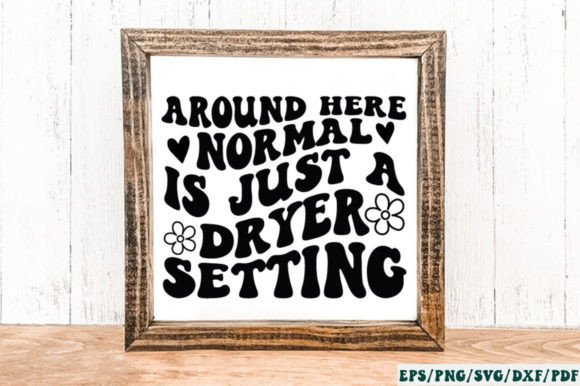
Reviewing Around Here Normal is Just a Dryer Setti
As an embroidery designer who has spent years digitizing files and stitching out thousands of samples, I have developed a keen eye for what works on fabric versus what only looks good on a screen. When I first encountered Around Here Normal is Just a Dryer Setti, my immediate reaction was one of amused recognition. This piece falls squarely into the retro funny farmhouse category, a niche that remains incredibly popular among Etsy sellers and boutique owners. However, humor in embroidery is tricky. If the text is not legible or the layout is unbalanced, the joke fails, and the product loses value. I decided to evaluate this design not just as a digital asset, but as a potential centerpiece for real-world merchandise.
First Impressions and Visual Personality
The phrase itself is a playful twist on domestic life, suggesting that chaos is the standard and order is merely a setting on an appliance. Visually, the design relies on bold, retro-inspired typography. For a machine embroidery design, this is both a blessing and a challenge. Bold letters generally stitch out cleaner than thin, script-style fonts because they can accommodate fill stitches without becoming fragile. The mood is lighthearted and relatable, making it an ideal candidate for personalized gifts or home decor items where personality is key. It does not take itself too seriously, which is exactly the vibe modern crafters are looking for.
When reviewing graphics like this, I always look at the negative space. In this case, the spacing between the words appears sufficient to prevent thread bridging, a common issue where threads span gaps between letters and create messy webs. The layout feels balanced, with a weight distribution that should sit well in a standard hoop. It creates a sense of whimsical stability, perfect for a kitchen towel or a casual sweatshirt.
Real-World Application: The Tote Bag Test
To truly understand how Around Here Normal is Just a Dryer Setti performs, I imagined applying it to a heavy canvas tote bag. This is a staple product for small shop owners and craft fair vendors. Canvas has a distinct texture that can interfere with fine details, but this design’s robust lettering should hold up well. I would recommend using a cut-away stabilizer to ensure the fabric does not pucker under the weight of the thread. The result would be a durable, washable item that appeals to customers looking for functional art.
Another strong contender for this design is a crewneck sweatshirt. Sweatshirt embroidery requires careful attention to stitch density because the fabric is thick and often fuzzy. If the design is too dense, it can become stiff and uncomfortable. If it is too light, the background fabric might show through. Given the retro style, I would suggest using a satin stitch border around the fill areas to define the edges sharply against the fleece. This adds a professional finish that elevates the perceived value of the handmade product.
Navigating Fabric and Hoop Constraints
While the design is versatile, there are scenarios where caution is necessary. For instance, using this on a curved surface like a cap requires a smaller version of the file. If the original dimensions are too large, the text may distort around the crown. Always check the hoop size compatibility before purchasing. Additionally, avoid placing this design on highly stretchy fabrics like jersey knits without proper stabilization. The rigid nature of the text could cause the garment to warp after washing.
Dark fabrics present another challenge. If you plan to stitch this on a black or navy shirt, you must ensure high contrast. Light thread colors will pop, but if the design includes subtle shading, it might get lost. I always advise testing a sample on scrap fabric first. Check the thread color contrast and inspect small details to ensure clarity. Running a test on both light and dark backgrounds helps you determine if the design needs adjustment for specific projects.
Commercial Viability and Brand Consistency
For Etsy sellers and creative entrepreneurs, the commercial viability of a design is paramount. Around Here Normal is Just a Dryer Setti fits well within the current trend of humorous home goods. It appeals to a broad demographic, from young parents to retirees who appreciate a good laugh. Using this design in your shop can help build brand consistency if your aesthetic leans toward rustic, funny, or relaxed styles. It serves as a strong design asset for creating cohesive collections, such as matching aprons and tea towels.
However, professionalism is key. Even though the message is silly, the execution must be pristine. Loose threads, uneven tension, or poor registration can undermine customer trust. A high-quality finished product encourages repeat business and positive reviews. When using digital embroidery files, always confirm licensing terms before selling finished items. While many creators allow commercial use, it is essential to verify this to protect your business.
Technical Notes for the Embroiderer
Before loading this design into your machine, consider the following practical steps. First, review the stitch density. If the file is provided in formats like SVG, DXF, PNG, EPS, and PDF, note that these are primarily vector or image formats often used for cutting machines like Cricut or Silhouette. For machine embroidery, you typically need specific stitch files such as PES, DST, or JEF. If the download only includes vector graphics, you may need to digitize the design yourself or convert it using specialized software. This is a critical distinction for embroidery designers who expect ready-to-stitch files.
If you are using this as a reference for hand embroidery or applique, the bold shapes work wonderfully. An applique design approach could reduce stitch count and add texture by using patterned fabric for the letters. This technique is particularly effective for baby embroidery, where softness is prioritized over dense stitching. For holiday embroidery projects, consider using festive thread colors to give the retro phrase a seasonal twist.
Always use the appropriate stabilizer for your fabric type. Tear-away stabilizers work well for woven cottons, while cut-away is better for knits. Test the design on scrap fabric to check for any issues with thread breaks or needle hits. Inspect the corners of the letters to ensure they are sharp and not rounded off due to excessive pull compensation.
Final Verdict on Design Utility
In conclusion, Around Here Normal is Just a Dryer Setti is a charming addition to any crafter’s library. Its strength lies in its relatability and bold visual structure. It is best suited for flat or slightly curved surfaces where the text can remain legible. Whether you are creating a personalized gift for a friend or stocking your small shop with unique merchandise, this design offers a solid foundation for creativity. Just remember to verify the file formats and licensing details to ensure it meets your specific production needs. With proper technique and attention to detail, this graphic can translate into a high-quality embroidered piece that brings joy to its owner.