Reviewing In My Grandpa Era Png Sublimation for Stitchers
As a designer who spends half my life digitizing and the other half stitching, I have learned to look past the flashy preview images. When I first encountered In My Grandpa Era Png Sublimation, my immediate reaction was not just about the aesthetic, but about its translatability. The trend of "groovy retro" typography and imagery is everywhere right now, flooding social feeds and marketplaces. But does this specific asset hold up when moved from a digital screen to the tactile reality of thread and fabric? I decided to put it through its paces, not as a printer, but as an embroidery professional evaluating its potential for real-world Crafts and commercial applications.
The Visual Personality and First Impressions
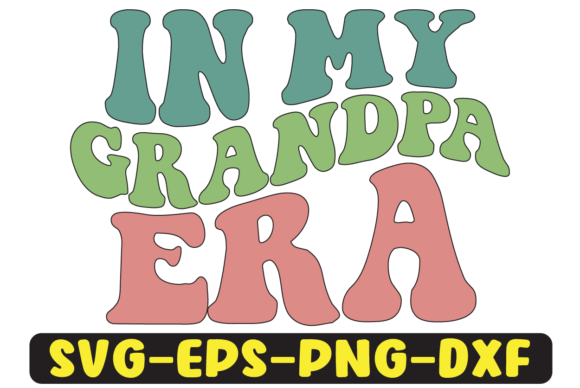
The design carries a distinct nostalgic weight. It is not just a phrase; it is a mood. The wavy, distorted typography typical of the seventies aesthetic creates a sense of movement that is visually engaging. For an embroidery designer, this presents both an opportunity and a challenge. The curves are organic, which means they can look beautiful in satin stitch if handled correctly, but they can also become jagged if the digitizing or conversion process is rushed. The layout feels balanced, with enough negative space to allow the stitches to breathe. This is crucial because overcrowded designs often lead to puckering, especially on softer fabrics like cotton blends used for baby items or vintage-style tees.
When I imagine this on a finished product, I see it working best where the vibe is relaxed and authentic. It fits naturally into the category of Graphics that tell a story. It is not just decorative; it is conversational. This makes it a strong candidate for personalized gifts where the recipient has a sense of humor or a deep appreciation for family heritage. The visual personality is warm, inviting, and slightly playful, which lowers the barrier for customers who might be intimidated by more formal or intricate embroidery patterns.
Real-World Application: The Custom Sweatshirt Test
To truly evaluate In My Grandpa Era Png Sublimation, I mentally placed it on a heavy-weight, cream-colored sweatshirt. This is a staple item for many Etsy sellers and small shop owners. On this canvas, the design would need to be scaled appropriately. If printed via sublimation, the colors would be vibrant and seamless. However, if we are talking about converting this concept into a machine embroidery design, the approach changes. I would recommend using a combination of fill stitches for the larger graphic elements and careful satin stitching for the text outlines to maintain clarity.
In a real-life scenario, imagine a customer ordering a matching set for a grandfather and grandchild. The adult gets the sweatshirt, and the child gets a onesie. The design’s simplicity allows it to scale down without losing its essence, provided the smallest details are adjusted. For the baby item, I would avoid dense stitching to keep the garment soft against sensitive skin. This versatility is what makes such assets valuable for custom apparel businesses. It is not just a one-off image; it is a flexible component of a broader product line.
Navigating Fabric and Technical Constraints
While the design is charming, it is not without its technical demands. Embroidery designers know that what looks good on a white background in a printable mockup can behave differently on textured fabrics. If you are planning to use this on a tote bag design made of canvas, the stitch density must be high enough to cover the weave, but not so high that it causes the bag to stiffen excessively. A proper stabilizer is non-negotiable here. Cut-away stabilizer would be my go-to for garments that will undergo frequent washing, ensuring the design remains intact and the fabric does not distort over time.
Caution is advised when working with dark fabrics. If this design relies on subtle color gradients in its original PNG form, translating that to thread requires careful selection of thread colors. You may need to add a white underlay or adjust the contrast to ensure the text remains legible. Additionally, curved surfaces like caps present a challenge. The wavy nature of the font might distort further if not hooped correctly. I would recommend testing the design on a scrap piece of the same material before committing to a final embroidered patch or direct-to-garment stitch-out. This step saves time, money, and reputation.
Commercial Viability and Brand Consistency
For craft business owners, the appeal of In My Grandpa Era Png Sublimation lies in its trend relevance. Retro nostalgia is not a fleeting fad; it has become a staple in modern home decor and fashion. Using this design can help align a brand with current consumer interests. However, professionalism is key. A sloppy stitch-out can damage customer trust. Ensuring that the final finished product has clean trim backs, no loose threads, and consistent tension is vital. This attention to detail turns a simple item into a premium handmade product.
When considering this for commercial embroidery, always verify the licensing terms. Just because a file is available for purchase does not automatically grant unlimited commercial rights. Check whether the license covers physical goods, digital resales, or both. For small shop product lines, having clear legal standing protects your business from future disputes. If the design is intended for sublimation only, remember that embroidery requires a different file format entirely. You cannot simply print a PNG and expect it to stitch out perfectly without proper digitizing.
Practical Notes for the Serious Maker
Before you launch this design in your next collection, take these practical steps. First, test the design on scrap fabric. This allows you to check the stitch density and make adjustments to pull compensation if necessary. Second, review the design in black and white. This helps identify areas where contrast might be lost, which is particularly important for holiday embroidery projects where lighting conditions vary. Third, consider the hoop size. Ensure the design fits comfortably within your standard hoops without requiring excessive re-hooping, which can lead to misalignment.
Finally, think about the end user. Is this a personalized gift for a special occasion? Or is it a casual sweatshirt embroidery for everyday wear? The context dictates the finish. For gifts, presentation matters. Pair the embroidered item with thoughtful packaging to enhance the perceived value. For everyday wear, durability is paramount. Use high-quality threads that resist fading and fraying. By treating In My Grandpa Era Png Sublimation not just as a graphic, but as a component of a larger creative process, you elevate your work from simple crafting to professional design.
In conclusion, this design offers a solid foundation for creative projects, provided it is approached with technical respect and artistic intention. Whether you are an experienced digitizer or a hobbyist looking to expand your skills, understanding the interplay between visual appeal and mechanical execution is the key to success. Use this insight to create pieces that not only look good but stand the test of time and wear.