Reviewing Keep the Aranara on the Stage for Embroidery
As a designer who has spent countless hours digitizing and stitching out machine embroidery design files, I have learned that not every graphic translates well to thread. When I first encountered Keep the Aranara on the Stage, my immediate reaction was one of cautious optimism. The whimsical nature of the subject matter suggests a playful, high-energy vibe, but the real test is always in the stitching. For those of us running a craft business or selling on platforms like Etsy, the difference between a cute digital image and a sellable handmade product often comes down to how the design handles the physical constraints of fabric and needle.
First Impressions and Visual Personality
The initial visual impact of Keep the Aranara on the Stage is charming. It carries a distinct narrative quality, likely appealing to fans of fantasy or nature-inspired themes. From a Graphics perspective, the lines appear clean, which is a promising sign for conversion into an embroidery file. However, as an experienced reviewer, I look beyond the screen. I ask myself: will these curves hold up as satin stitch columns, or will they require complex fill stitch patterns that might pucker the fabric?
The mood created by this design is lighthearted and engaging. It feels right at home in projects aimed at younger audiences or adults who appreciate nostalgic, storybook aesthetics. This emotional connection is vital for Etsy seller success, as buyers are often purchasing the feeling the item evokes, not just the utility. If you are building a brand around whimsical, character-driven items, this asset fits seamlessly into that visual language.
Real-World Application: The Tote Bag Test
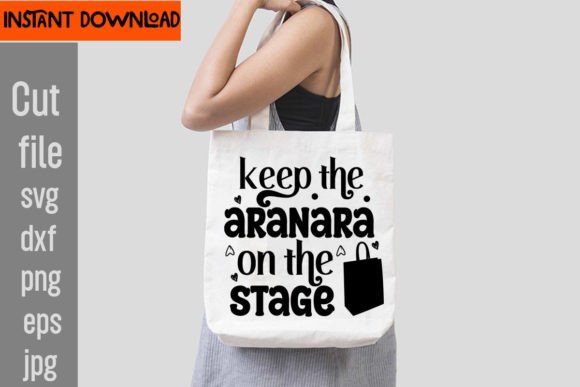
To truly evaluate Keep the Aranara on the Stage, I mentally placed it on a canvas tote bag design. This is a common small shop product because it offers a large, flat surface area ideal for showcasing detail. In this scenario, the design’s layout becomes critical. A centered placement on a tote allows the viewer to appreciate the full composition without distortion.
When considering custom apparel, such as a heavyweight cotton sweatshirt, the design performs differently. Here, the stitch density becomes a primary concern. If the original graphic has dense shading, converting it directly to embroidery without adjusting the thread colors and stitch types can result in a stiff, heavy patch on the garment. For a sweatshirt embroidery project, I would recommend simplifying any intricate background elements to ensure the final finished product remains soft and wearable. The goal is to maintain the character’s recognizability while respecting the comfort of the wearer.
Versatility Across Product Lines
Beyond bags and sweatshirts, this design shows promise for baby embroidery items, provided the scale is adjusted appropriately. A onesie or a burp cloth requires a smaller footprint, which means tiny details might get lost. In such cases, using the provided SVG File for Cricut or DXF File for Silhouette might be more effective for creating heat-transfer vinyl accents rather than direct stitching, depending on your machine capabilities. For holiday embroidery gifts, such as pillow covers or kitchen towels, the playful theme adds a festive touch that customers love. It transforms a standard household item into a personalized gift with personality.
For those interested in commercial embroidery, the versatility of the included formats is a significant advantage. The EPS File Vector allows for infinite scaling without quality loss, which is essential if you need to resize the artwork for different hoop size constraints. The PNG File Transparent Background, 300 Dpi is particularly useful for creating printable mockup images for your online store before you even stitch a single thread. This saves time and materials during the product development phase.
Technical Considerations and Stitching Challenges
While the aesthetic appeal is strong, practical execution requires attention to detail. One must consider the fabric texture. On textured fabrics like terry cloth or denim, fine details in Keep the Aranara on the Stage may disappear. In these instances, opting for bold applique design techniques could enhance visibility and reduce stitch count. Using a contrasting fabric piece for applique can make the character pop while keeping the garment lightweight.
Curved surfaces present another challenge. If you plan to use this design on caps or hats, be mindful of distortion. The curvature of the cap brim can stretch the design horizontally. Always test on a similar curved surface before committing to a client order. Additionally, dark fabrics require careful selection of thread colors. Light threads on dark fabric can sometimes show the underlying material through the stitches if the density is too low. A proper underlay and sufficient stabilizer are non-negotiable here to prevent puckering and ensure crisp edges.
Designer Notes for Best Results
- Test on Scrap Fabric: Never skip this step. Stitch out Keep the Aranara on the Stage on the same type of fabric you intend to use for the final product to check for registration issues.
- Check Thread Contrast: Ensure there is enough contrast between the thread colors and the fabric base. Low contrast can make the design look muddy from a distance.
- Review Stitch Density: If you are digitizing this yourself from the vector files, keep the density moderate to avoid stiffness, especially for custom apparel.
- Confirm Hoop Size: Verify that the design fits within your machine’s maximum hoop area. The provided files allow for resizing, but maintain aspect ratio to avoid distortion.
- Inspect Small Details: Zoom in on the PNG File and vector files to identify any tiny elements that might break during stitching. Simplify if necessary.
- Use Proper Stabilizer: Match the stabilizer to the fabric weight. Cut-away stabilizer is often best for stretchy knits used in tote bag design or shirts.
Commercial Viability and Brand Consistency
For digital product sellers and creative entrepreneurs, the value of Keep the Aranara on the Stage lies in its ability to create cohesive collections. If your brand focuses on whimsical, nature-inspired, or fantasy-themed Crafts, this design reinforces your brand identity. Consistency builds trust. When customers see a well-executed, professional-looking embroidered patch or garment, they perceive higher value.
It is crucial to review the licensing terms associated with the DIGITAL DOWNLOAD ONLY package. While the files include formats suitable for various cutting machines and digital uses, ensure you understand the rights for selling physical items made with this design. Most commercial licenses allow for selling finished physical goods, but restrictions may apply to reselling the digital files themselves. Always clarify this to protect your small business merchandise operations.
In conclusion, Keep the Aranara on the Stage is a versatile asset for the right project. It shines in applications where its playful character can be fully appreciated, such as tote bags, pillows, and children’s apparel. By paying attention to technical details like stabilizer choice, thread contrast, and fabric suitability, you can transform this digital graphic into a high-quality handmade product that delights customers and enhances your portfolio. Whether you are a hobbyist looking to make a unique personalized gift or an Etsy seller expanding your inventory, this design offers a solid foundation for creative expression.