Reviewing Mardi Gras Funny Carnival for Embroidery
As a designer who spends half my life staring at digitized paths and the other half pulling thread out of bobbin jams, I approach every new machine embroidery design with a healthy dose of skepticism. We have all been there: you buy a cute graphic, load it onto your machine, and watch in horror as the tension breaks or the fabric puckers into an unrecognizable mess. That is why when I recently evaluated the Mardi Gras Funny Carnival asset, I was not just looking at the visual appeal. I was looking at its viability as a real-world embroidery project.
The product description lists this as an SVG, PNG, DXF, and EPS digital file intended for cutting machines like Cricut and Silhouette. For those of us in the crafts and graphics space, this distinction matters. While these formats are native to vinyl cutters and laser printers, they serve as the foundational artwork for any serious embroidery digitizing workflow. If you are an Etsy seller or a small shop owner, understanding how this specific artwork translates from a flat vector to a textured finished product is crucial before you commit to production.
First Impressions and Visual Personality
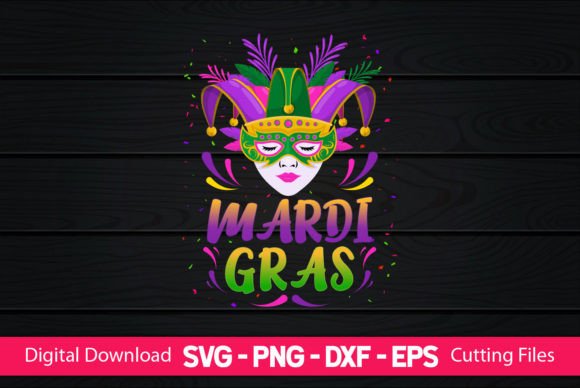
The first thing that strikes you about the Mardi Gras Funny Carnival theme is its inherent energy. It does not take itself too seriously. The mood is playful, chaotic in a controlled way, and distinctly festive. Visually, the layout suggests bold shapes and high-contrast elements, which is exactly what you want when dealing with the limitations of thread. Unlike subtle watercolor illustrations that get lost in stitch noise, a carnival-themed design usually relies on strong outlines and solid fills.
For a designer, this visual personality dictates the application. This is not a delicate heirloom christening gown motif. This is a statement piece. It belongs on items that can handle a bit of visual weight and humor. When I imagine this design stitched out, I see it working best where the thread texture adds to the joke rather than detracting from the clarity. The "funny" aspect implies that slight imperfections in alignment might even add to the charm, but as professionals, we still aim for precision.
Real-World Application Scenarios
Let us move beyond the screen and into the studio. I recently considered using a similar carnival-inspired vector for a custom order involving a batch of canvas tote bag designs. The client wanted something eye-catching for a local festival booth. In this scenario, the Mardi Gras Funny Carnival artwork would be ideal. Canvas has a tight weave that holds fill stitch areas well without excessive sinking. The bold nature of the design ensures it remains legible from a distance, which is critical for small shop product visibility at craft fairs.
Another strong candidate for this design is sweatshirt embroidery. Hoodies and crewnecks provide a stable, thick base that can support denser stitching. If you were to digitize this SVG into an embroidery file, you could utilize a combination of satin stitch for the borders and text, and a lighter fill for larger background elements. The result would be a tactile, premium-looking personalized gift that feels substantial. Customers often equate the raised texture of embroidery with higher value compared to flat vinyl prints, making this a smart choice for boutique branding.
However, context is everything. Would I put this on a baby embroidery item? Probably not. The theme is geared toward adult humor and celebration. It fits better on custom apparel for bachelorette parties, birthday celebrations, or team uniforms for a fun run. It creates an immediate sense of community and shared joy, which drives buyer engagement for commercial embroidery businesses targeting event-based sales.
Technical Considerations and Pitfalls
Here is where the rubber meets the road. Since the provided files are SVG, PNG, DXF, and EPS, you do not have a pre-digitized embroidery file (such as PES or DST). You must digitize it yourself or hire a digitizer. This is a critical step that many beginners overlook. You cannot simply import an SVG into your embroidery machine and expect magic.
When converting this type of carnival graphic, pay close attention to stitch density. Carnival designs often feature overlapping elements or intricate details. If you rely too heavily on dense satin stitches for long runs, you risk thread breaks and bird nests. Instead, consider using running stitch underlays to stabilize the fabric and break up long columns. For larger colored areas, a tatami or fill stitch with appropriate spacing will prevent the fabric from puckering.
Fabric choice is equally important. On stretchy fabrics like jersey t-shirts, this design requires a robust stabilizer strategy. A cut-away stabilizer is non-negotiable here to maintain the shape of the design after washing. On textured fabrics like towels or linen, the fine details of the original SVG might get lost. In those cases, simplify the design during the digitizing phase. Remove tiny elements that are smaller than 3mm, as needles struggle to place stitches accurately at that scale.
Also, consider the hoop size. If the design is large, you may need to split it into sections for multi-hooping. This introduces alignment challenges. Always test the design on scrap fabric first. Check the thread color contrast against both light and dark backgrounds. A design that pops on white cotton might vanish on black fleece if you do not adjust the palette accordingly.
Commercial Viability and Brand Consistency
For digital product sellers and creative entrepreneurs, the versatility of this asset is a major selling point. Because you receive multiple formats, you can use the PNG for printable mockup previews on your Etsy listings while using the SVG to create vinyl decals or sublimation transfers. This cross-platform utility maximizes the return on investment for the design assets.
From a branding perspective, using a cohesive theme like Mardi Gras Funny Carnival helps build recognition. If your handmade product line focuses on festive, humorous gifts, this design reinforces your brand voice. It tells the customer that you understand the occasion. However, always verify the license terms. The description mentions it is a digital file for cutting machines, but it does not explicitly state commercial rights for embroidered finished goods. Before listing items on Etsy or selling to clients, confirm whether the creator allows commercial use of the digitized embroidery output. Protecting your craft business from intellectual property issues is just as important as the stitching quality.
Final Verdict for Makers
The Mardi Gras Funny Carnival graphic is a strong contender for makers who understand the translation process from vector to thread. It offers high visual impact and fits perfectly into the niche of celebratory, humorous embroidered patch work or apparel. It is not a plug-and-play solution for embroidery machines, but rather a high-quality raw material for designers willing to put in the digitizing work.
If you are prepared to test your stabilizer choices, adjust your thread colors for contrast, and respect the limitations of your hoop size, this design can elevate your holiday embroidery collection. It turns a simple piece of fabric into a conversation starter. For the experienced designer, it is a fun challenge; for the beginner, it is a lesson in the importance of proper digitizing. Either way, it has a place in a well-curated library of graphics for modern makers.