Reviewing the Bigfoot T-shirt Design for Real Embroidery Use
As a designer who has spent years translating digital graphics into tangible thread, I approach every new machine embroidery design with a mix of curiosity and skepticism. We have all seen those flashy previews that look stunning on a screen but turn into a tangled mess of broken needles and puckered fabric once they hit the hoop. Recently, I had the chance to evaluate the Bigfoot T-shirt Design, Bigfoot Shirt, a graphic asset that is currently gaining traction in the Crafts and Graphics market. While the product description highlights its success in sublimation and printable formats, my focus was strictly on how this visual translates to the needle.
First Impressions: Mood and Visual Personality
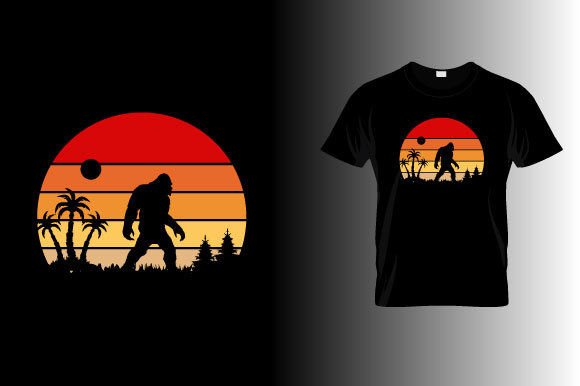
The immediate impression of the Bigfoot T-shirt Design, Bigfoot Shirt is one of playful mystery. It captures that classic cryptid charm without leaning too heavily into horror or overly childish aesthetics. For an embroidery project, this balance is crucial. The shape and layout suggest a bold silhouette, which is generally favorable for stitching because it allows for clear definition even from a distance. When I first loaded the file into my digitizing software to inspect the potential stitch paths, I noticed the design relies on strong contours. This is a good sign. Strong contours usually mean the design can hold its own on various fabrics without getting lost in the texture.
The mood is casual and outdoorsy, making it a natural fit for apparel that celebrates nature, hiking, or Pacific Northwest culture. It does not feel like a generic clip-art insertion; rather, it has a distinct personality that could serve as a centerpiece for a boutique brand or a personalized gift line. However, as with any graphic intended for multiple uses, the devil is in the details when we move from pixel to thread.
Real-World Application: From Digital File to Finished Product
To truly test the viability of this design, I imagined several real-life scenarios where a small business owner or hobbyist might use it. Let’s consider a custom embroidered tote bag. Tote bags are often made from canvas or heavy cotton, which provides a stable base for embroidery. The Bigfoot T-shirt Design, Bigfoot Shirt would likely perform well here, provided the stitch density is adjusted to prevent the fabric from pulling. The bold lines would stand out nicely against the textured weave of a canvas bag, creating a rugged, handmade aesthetic that customers love.
Another common application is sweatshirt embroidery. Here, the challenge shifts to dealing with fleece or terry cloth. If the design includes fine details or tiny lettering, these can easily get swallowed by the plush fabric. In my assessment, this particular Bigfoot graphic seems robust enough to handle the loft of a sweatshirt, especially if used as a chest logo or a larger back print. It avoids the trap of being too intricate, which is a common pitfall for designs that look great on paper but fail on thick garments.
For Etsy sellers and craft business owners, versatility is key. This design could easily transition into a patch format. An embroidered patch featuring this Bigfoot motif could be sold as a standalone accessory or applied to denim jackets and caps. The silhouette style lends itself well to satin stitch borders, which give patches a clean, professional finish. If you are creating holiday gifts or nursery decor, the playful nature of the character makes it suitable for baby embroidery on onesies, though you must ensure the scale is reduced appropriately to fit smaller hoops.
Technical Considerations and Stitching Challenges
While the visual appeal is strong, there are technical aspects that require careful attention. The product description mentions it is a "Printable Sublimation Design," which implies it is originally a raster or vector graphic, not necessarily a pre-digitized embroidery file. This is a critical distinction. If you are purchasing this as a graphic to convert yourself, you have full control over the stitch density, satins stitch width, and fill stitch direction. If you are buying a pre-digitized version, you must verify the quality of the digitizing.
One area to watch is the detail level in the fur or facial features of the Bigfoot character. Dense areas of fill stitch can cause fabric distortion, especially on thinner materials like t-shirts. I recommend using a cut-away stabilizer for stretchy fabrics to maintain the integrity of the design. For dark fabrics, you will need to carefully select your thread colors to ensure sufficient contrast. A mid-tone grey or brown might disappear on a black shirt, so consider using lighter shades or adding a white underlay to make the design pop.
Curved surfaces, such as caps, present another challenge. The Bigfoot T-shirt Design, Bigfoot Shirt should be tested on a cap hoop to ensure the design does not distort due to the curvature. If the design is too wide, it may wrap around the sides of the cap awkwardly. Always check the maximum hoop size compatibility with your machine before starting a large batch of production.
Enhancing Brand Value and Customer Trust
From a business perspective, the quality of your embroidery directly impacts customer trust and brand consistency. A well-executed Bigfoot T-shirt Design, Bigfoot Shirt can elevate a simple garment into a premium handmade product. Customers are increasingly discerning; they can tell the difference between a rushed job and a thoughtfully crafted item. By ensuring that your stitch count is optimized and your thread tension is correct, you enhance the perceived value of the finished product.
For commercial embroidery projects, consistency is vital. If you are producing multiple units for a small shop product line, test the design on scrap fabric first. This allows you to refine the settings and ensure that every piece meets your quality standards. Using printable mockups can help you visualize the final result before committing to expensive materials, but nothing replaces a physical test stitch.
Practical Notes for the Embroidery Designer
- Test on Scrap Fabric: Always run a test stitch on the same type of fabric you plan to use for the final product. This helps identify issues with puckering or thread breaks.
- Check Thread Contrast: Ensure your thread colors stand out against the fabric background. Use a color wheel or digital tool to preview combinations.
- Review Stitch Density: High density can cause stiffness and distortion. Adjust the density based on the fabric weight and type.
- Confirm Hoop Size: Make sure the design fits within your machine’s hoop capabilities, especially for larger applications like back prints on sweatshirts.
- Inspect Small Details: Zoom in on the design to check for tiny elements that may not stitch out cleanly. Simplify if necessary.
- Verify Licensing: Before selling finished items or digital products, confirm the license terms associated with the Bigfoot T-shirt Design, Bigfoot Shirt. Ensure you have the right to use it for commercial purposes.
In conclusion, the Bigfoot T-shirt Design, Bigfoot Shirt offers a charming and versatile option for embroidery enthusiasts and professionals alike. Its bold silhouette and playful theme make it suitable for a wide range of applications, from custom apparel to home decor. However, success lies in the execution. By paying attention to technical details such as stabilizer choice, thread selection, and stitch density, you can transform this digital graphic into a high-quality finished product that delights customers and strengthens your brand. Whether you are an experienced digitizer or a hobbyist looking to expand your design assets, this Bigfoot motif is worth considering for your next creative project.